How I Started Small and Built Real Strength After Injury
Recovering from an injury can feel overwhelming, especially when simple movements become hard. I’ve been there—frustrated, slow, and unsure where to begin. But what changed everything wasn’t a quick fix, but consistent, smart habits. This is about how small daily choices in rehabilitation training helped me regain strength and confidence. No magic tricks, just practical steps that actually work. The journey wasn’t fast, but it was steady. And in time, those tiny efforts added up to real progress—proof that healing doesn’t demand dramatic action, but thoughtful, persistent movement forward.
The Breaking Point: When Normal Life Felt Out of Reach
It started with a fall—nothing dramatic, just a misstep on uneven pavement. But the aftermath lingered far longer than expected. What began as a sore ankle turned into persistent stiffness, then pain with every step. Walking to the mailbox became a chore. Carrying groceries up the stairs felt like a challenge. Bending to tie a shoe sent sharp signals through the joint. Simple tasks that once required no thought now demanded careful planning and physical effort. The loss of independence was more unsettling than the pain itself.
Emotionally, the experience was isolating. There was frustration at the slow pace of healing, helplessness in relying on others for small favors, and a quiet fear that this might be permanent. I worried I would never return to the level of activity I once took for granted—gardening, walking the dog, playing with grandchildren. The idea of living with limitations, of adjusting expectations downward, was difficult to accept. Yet, ignoring the problem wasn’t an option. Each day of inactivity made the stiffness worse, the muscles weaker. Avoiding movement out of fear only deepened the cycle of decline.
The turning point came during a routine visit to my primary care provider. After reviewing my symptoms and movement patterns, she recommended a referral to physical therapy. At first, I hesitated—wasn’t rehab only for athletes or major surgeries? But her explanation was clear: the body needs guidance to heal correctly. Without proper rehabilitation, even minor injuries can lead to long-term dysfunction. That conversation shifted my mindset. I realized recovery wasn’t passive. It required active participation. I wasn’t broken beyond repair—I was in need of retraining. And that meant starting, even when every instinct said to rest.
Rehab Myths That Almost Stopped Me
Before beginning formal therapy, I had absorbed a number of misconceptions about rehabilitation—ideas that, if followed, could have worsened my condition. The most persistent myth was that “no pain, no gain” applied to recovery. I assumed that if I wasn’t feeling discomfort during exercise, I wasn’t doing enough. This belief nearly led me to push too hard too soon, attempting stretches and movements that my body wasn’t ready for. It took a gentle but firm correction from my physical therapist to understand the difference between productive discomfort and harmful pain.
Another common myth I encountered was the idea that rehabilitation is only for serious injuries or elite athletes. Many people believe that minor sprains or strains will heal on their own with rest. While rest is important in the acute phase, prolonged inactivity can lead to muscle atrophy, joint stiffness, and poor movement patterns. Without targeted exercises, the body may compensate in ways that create new imbalances. I learned that rehab isn’t about dramatic recovery—it’s about restoring proper function so that everyday movements become safe and efficient again.
A third misconception was that rehabilitation is a punishment—a series of tedious, painful exercises with little immediate reward. In reality, modern rehab is rooted in neuroscience and biomechanics. It’s not about enduring pain, but about re-educating the nervous system and rebuilding strength gradually. My therapist emphasized that progress wasn’t measured by how much pain I could tolerate, but by improved range of motion, better balance, and increased confidence in movement. Letting go of these myths allowed me to approach rehab with patience and curiosity, rather than dread.
Starting Small: Why Tiny Movements Matter Most
My first rehab session was surprisingly simple. Instead of complex routines or heavy resistance, my therapist guided me through a series of micro-movements: ankle circles, toe taps, and slow weight shifts. At first, they felt almost silly—so small, so slow. But I was told these tiny actions were essential for reawakening the neural pathways between my brain and injured limb. They were not about building strength yet, but about restoring communication.
The science behind this approach is clear. After an injury, the brain often “shuts down” signals to the affected area as a protective mechanism. This leads to muscle inhibition, where even if the tissue has healed, the muscles don’t fire properly. Micro-exercises help reverse this by stimulating neuromuscular connections. Gentle, repetitive movements increase blood flow, reduce inflammation, and gradually teach the body that movement is safe again. Over time, this lays the foundation for more complex activities.
I remember doing ankle pumps while lying in bed each morning—just lifting and lowering my foot slowly for two minutes. It seemed too easy to make a difference. But within a week, I noticed less stiffness when standing. The joint felt more responsive. This was my first real sign of progress, and it came not from intensity, but from consistency in small actions. I began to understand that healing isn’t always dramatic—it’s often invisible, happening at a cellular level, long before we see or feel obvious changes.
Building a Routine That Fits Real Life
One of the biggest challenges in rehabilitation is making it sustainable. It’s easy to commit when motivation is high, but life gets busy. I quickly learned that waiting for the “perfect time” to do exercises meant they often didn’t happen. The solution wasn’t carving out long sessions, but integrating rehab into existing habits. I started linking exercises to daily routines—doing seated leg lifts while brushing my teeth, practicing balance on one foot while waiting for the kettle to boil.
Consistency proved far more valuable than intensity. Five minutes of focused movement twice a day was more effective than a single 30-minute session once a week. The body responds to repetition. Frequent, short exposures to therapeutic movement reinforce new patterns and prevent regression. I created a simple structure: morning mobility work to wake up stiff joints, a posture check during lunch to reset alignment, and gentle stretching in the evening to release tension. This rhythm became part of my day, not an add-on.
I also learned to adjust expectations. Some days, fatigue or weather affected my energy. On those days, I modified—shorter holds, fewer repetitions, or just breathing exercises. The goal wasn’t perfection, but continuity. Missing a session wasn’t failure; it was information. Over time, this flexible, realistic approach built resilience. I wasn’t just rehabbing an injury—I was developing a sustainable relationship with movement that could last a lifetime.
Listening to Your Body: The Skill No One Teaches You
One of the most valuable lessons from rehab was learning to distinguish between different types of sensation. Not all discomfort is harmful. There’s a difference between the mild tension of a muscle being stretched and the sharp, localized pain that signals tissue strain. My therapist taught me the “talk test”—if I could breathe and speak comfortably during an exercise, I was likely in the safe zone. If I held my breath or winced, it was time to ease back.
This awareness extended beyond physical sensation. I began noticing how fatigue, stress, and even mood affected my recovery. On days when I was emotionally drained, my body felt heavier, my balance less stable. This wasn’t weakness—it was feedback. The body doesn’t operate in isolation. Sleep quality, hydration, and mental well-being all influence healing. I started paying attention to these signals, adjusting my routine accordingly. Some days called for restorative breathing; others allowed for slightly more challenge.
To track progress without relying on numbers, I used a simple journal. I didn’t measure reps or weights. Instead, I noted how I felt before and after each session: “Less stiffness in the morning,” “Walked to the end of the block without stopping,” “Carried laundry basket with less effort.” These qualitative observations revealed patterns over time. I wasn’t chasing milestones—I was building self-awareness. This skill, more than any single exercise, became the cornerstone of my recovery.
Support Systems That Actually Help (Not Just Cheerleading)
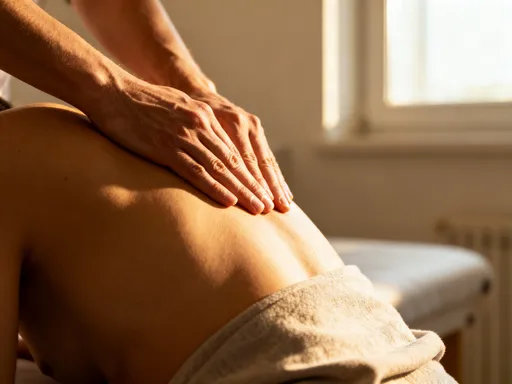
While personal commitment is essential, healing is not a solo journey. The most impactful support came from my physical therapist, who acted not as a fixer, but as a guide. She didn’t do the work for me—she taught me how to do it myself. She adjusted exercises based on my feedback, explained the purpose behind each movement, and celebrated small wins. This partnership fostered accountability and trust. Knowing someone was monitoring my progress made me more likely to stay consistent.
Support also came from my environment. Simple changes made a big difference: a supportive chair for seated exercises, non-slip mats in the bathroom, and shoes with good arch support. These modifications reduced the risk of re-injury and made daily movement safer. My family also played a role—not by doing things for me, but by respecting my routine. They didn’t hover or offer unsolicited advice. Instead, they created space for me to focus, like turning down the TV during my evening stretches.
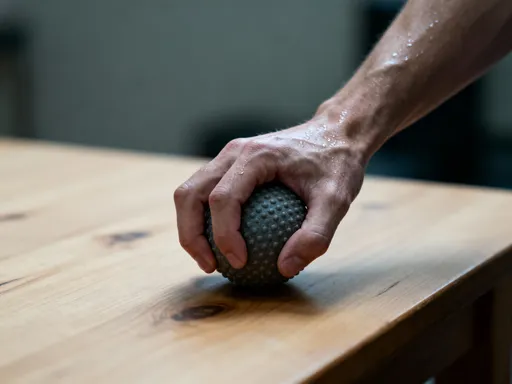
I avoided over-reliance on gadgets. While some tools like resistance bands or foam rollers were helpful, I didn’t invest in expensive machines or unproven devices. Real support wasn’t about equipment—it was about having a knowledgeable professional, a safe space, and people who understood that recovery takes time. The most powerful form of encouragement wasn’t praise—it was patience. Knowing I wasn’t being rushed allowed me to move at my own pace, without pressure.
From Healing to Thriving: Turning Rehab into Lifelong Strength
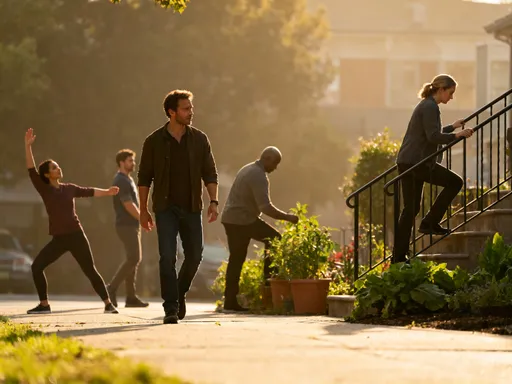
As my injury healed, I noticed benefits that extended far beyond the original problem. My posture improved. I stood taller, sat with better alignment, and moved with more control. These changes reduced strain on other joints, preventing new aches from developing. I also had more energy. Regular movement increased circulation and improved sleep quality. What began as rehab became a form of daily self-care—a practice that supported my overall well-being.
The mindset shift was profound. I no longer saw movement as something I had to do to fix myself. Instead, I viewed it as a way to honor my body, to maintain the strength and mobility I valued. The principles of rehabilitation—consistency, awareness, gradual progression—applied to life beyond injury. Whether managing stress, building new habits, or adapting to aging, the same approach worked: start small, stay consistent, listen closely.
Recovery taught me resilience. I learned that setbacks are part of the process. There were days when pain flared up, or progress stalled. But instead of giving up, I adjusted. I returned to the basics—gentle movement, rest, hydration. Each challenge became an opportunity to practice patience and self-compassion. Over time, I didn’t just return to my previous level of function—I surpassed it. I was stronger, more aware, and more confident in my body’s ability to adapt.
Today, the exercises I once did out of necessity are part of my wellness routine. I don’t do them because I’m injured. I do them because they make me feel capable and grounded. The habits formed during rehab have become permanent tools—small, daily investments in long-term health. I no longer fear aging or minor injuries the way I once did. I know that with the right approach, the body can heal, adapt, and grow stronger.
Rehabilitation isn’t just about getting back to who you were—it’s about becoming stronger, smarter, and more in tune with your body. The habits formed during recovery can become lifelong tools for health. It starts small, continues steadily, and builds something real. And while professional guidance is essential, the power to heal begins with the next small, brave step you take.