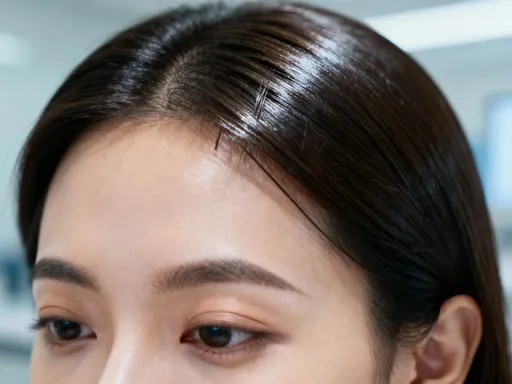
Hair That Thrives: My Science-Backed Routine for Lasting Scalp Health
Ever feel like your hair just won’t cooperate no matter what you try? I’ve been there—frustrated, confused, and overwhelmed by endless products promising miracles. After years of trial and error, I learned that healthy hair starts with smart, science-based habits. It’s not about magic formulas, but consistent management of your scalp, diet, and lifestyle. This is what actually works.
The Hidden Truth Behind Common Hair Struggles
Many women in their 30s to 50s experience changes in hair texture, volume, or strength and assume it’s simply a part of aging or genetics. While heredity and hormonal shifts do play a role, the real culprit behind most hair concerns is often overlooked: scalp health. Issues such as persistent dandruff, an itchy scalp, or excessive oiliness are not just cosmetic nuisances—they are signs of an imbalanced scalp environment. When the scalp is compromised, hair follicles struggle to function properly, leading to increased shedding, slower growth, and even thinning over time.
Research in dermatology shows that the scalp hosts a delicate ecosystem of natural oils, beneficial microbes, and cellular renewal processes. When this balance is disrupted—by harsh products, environmental stressors, or poor hygiene—micro-inflammation can occur at the follicle level. This low-grade inflammation doesn’t always cause visible redness but can quietly impair the hair growth cycle. For example, a buildup of dead skin cells and sebum can clog follicles, a condition known as follicular occlusion, which prevents new hairs from emerging and weakens existing ones.
Additionally, many women unknowingly worsen their scalp conditions by overwashing or using products filled with sulfates and alcohols that strip natural moisture. This triggers a rebound effect where the scalp produces even more oil to compensate, creating a cycle of imbalance. Understanding these underlying mechanisms shifts the focus from surface-level fixes to root-cause solutions. Instead of chasing volume with temporary sprays or serums, the priority becomes restoring scalp integrity—where real, lasting change begins.
Why Scalp Health Is Non-Negotiable
If hair is the plant, the scalp is the soil. This analogy, frequently used by trichologists, underscores a fundamental truth: no matter how advanced your hair care products are, they cannot compensate for a compromised foundation. A healthy scalp provides the necessary environment for strong, resilient hair growth. It regulates oil production, supports blood circulation to the follicles, and maintains a balanced microbiome that protects against irritation and infection.
The scalp contains thousands of sebaceous glands that produce sebum, the body’s natural oil. Sebum coats the hair shaft, offering protection against environmental damage and moisture loss. However, when sebum production is either too high or too low, problems arise. Excess oil can trap dirt and bacteria, leading to clogged follicles and inflammation. Conversely, a dry scalp may become flaky and prone to micro-tears, increasing susceptibility to irritation and slowing down the healing process around hair roots.
Blood flow is another critical factor. Hair follicles rely on a steady supply of oxygen and nutrients delivered through tiny blood vessels in the scalp. Studies using Doppler imaging have demonstrated that individuals with thinning hair often exhibit reduced microcirculation in affected areas. This suggests that improving blood flow—through gentle scalp massage or lifestyle habits like regular exercise—can support follicle vitality. In fact, one clinical trial found that participants who practiced daily scalp massage for six months experienced a measurable increase in hair thickness, likely due to enhanced circulation.
Maintaining scalp health isn’t about perfection—it’s about consistency. Simple practices such as using lukewarm water when washing, choosing sulfate-free cleansers, and avoiding excessive use of styling products can go a long way. Over time, these habits help preserve the scalp’s natural barrier, reduce inflammation, and create optimal conditions for hair to thrive. The message is clear: invest in your scalp, and your hair will follow.
What Science Says About Hair Growth Cycles
Hair growth is not a constant process but follows a well-defined biological cycle consisting of three main phases: anagen, catagen, and telogen. During the anagen phase, which can last between two to seven years, hair actively grows from the follicle. The length of this phase determines how long your hair can grow. Next is the catagen phase, a short transitional stage lasting about two to three weeks, during which the follicle shrinks and detaches from the blood supply. Finally, the telogen phase is a resting period that lasts around three months, after which the old hair sheds and a new one begins to grow.
At any given time, about 85–90% of your scalp hairs are in the anagen phase, while the remaining 10–15% are in telogen. It’s normal to lose 50 to 100 hairs per day as part of this natural turnover. However, when stress, nutritional deficiencies, or hormonal imbalances disrupt the cycle, a higher percentage of hairs may prematurely enter the telogen phase—a condition known as telogen effluvium. This leads to noticeable shedding, often several months after the initial trigger, leaving women puzzled about what caused the sudden change.
Scientific studies have identified multiple factors that can shorten the anagen phase or prolong the telogen phase. Chronic stress, for instance, elevates cortisol levels, which can interfere with follicle function. Similarly, rapid weight loss, iron deficiency, or thyroid disorders have been linked to disruptions in the hair cycle. Even major life events such as childbirth or illness can trigger temporary hair loss due to hormonal fluctuations.
The good news is that these disruptions are often reversible. Once the underlying cause is addressed—whether through improved nutrition, stress management, or medical treatment—hair typically resumes its normal growth pattern. This understanding reframes hair care as a long-term commitment to overall health rather than a quest for instant results. Patience and consistency become essential, as it can take several months for the hair cycle to stabilize and for new growth to become visible.
Daily Habits That Make a Real Difference
While high-end treatments and specialized serums attract attention, the most effective hair care strategies are often the simplest and most consistent. Daily habits—what you do regularly without thinking—have a cumulative impact on scalp and hair health. These routines don’t require expensive products or complicated techniques, but they do require awareness and intention.
Washing frequency is one of the most personalized aspects of hair care. Some women benefit from washing every other day, while others do better with two to three times per week. Overwashing can strip natural oils, leading to dryness and brittleness, while infrequent washing may allow buildup that clogs follicles. The key is to find a balance based on your scalp type and lifestyle. Using a mild, pH-balanced shampoo helps maintain the scalp’s natural acidity, which supports a healthy microbiome and reduces irritation.
Water temperature also matters. Hot water may feel soothing, but it can damage the scalp’s protective barrier and increase oil production over time. Dermatologists recommend rinsing with lukewarm or slightly cool water to preserve moisture and prevent inflammation. After washing, gently blotting hair with a soft towel instead of rubbing reduces mechanical stress on the hair shaft, minimizing breakage—especially important for those with fine or fragile strands.
Styling habits play a significant role too. Tight ponytails, braids, or buns worn frequently can cause traction alopecia, a form of hair loss resulting from constant pulling on the follicles. Opting for looser styles and using fabric-covered hair ties reduces tension. Similarly, minimizing the use of heat tools like flat irons and blow dryers helps prevent protein degradation in the hair. When heat styling is necessary, applying a heat protectant and using the lowest effective temperature can reduce damage.
These small, science-backed choices compound over time. They may not deliver overnight transformation, but they create a stable, supportive environment for hair to grow stronger and healthier. The goal is not perfection, but progress—building a routine that fits naturally into daily life and sustains long-term results.
Nutrition: The Inside Job Your Hair Needs
No amount of topical treatment can fully compensate for nutritional deficiencies. Hair is made primarily of keratin, a protein that requires a steady supply of amino acids, vitamins, and minerals to form properly. When the body lacks essential nutrients, hair often shows the first signs—becoming thin, dull, or brittle, or shedding more than usual.
Several key nutrients have been scientifically linked to healthy hair growth. Protein is foundational, as it provides the building blocks for keratin. Women who follow very low-protein diets or experience malabsorption issues may notice weakened hair structure. Iron is another critical nutrient, particularly for women of reproductive age. Iron deficiency, even without full-blown anemia, has been associated with hair loss and poor regrowth. Ferritin, the stored form of iron, should ideally be above 50 ng/mL to support optimal hair cycling, according to clinical guidelines.
Biotin (vitamin B7) is widely marketed for hair health, and while severe deficiency is rare, some studies suggest that supplementation may benefit individuals with low levels. However, for those with adequate intake, extra biotin may not lead to noticeable improvements. More impactful is a balanced intake of zinc, which supports cell reproduction and hormone balance, and vitamin D, which plays a role in follicle cycling. Omega-3 fatty acids, found in fatty fish, flaxseeds, and walnuts, help nourish the scalp and reduce inflammation.
Dietary patterns matter as much as individual nutrients. A whole-foods diet rich in vegetables, lean proteins, healthy fats, and whole grains provides the broad spectrum of nutrients hair needs. Processed foods, high sugar intake, and extreme diets can negatively affect both gut health and nutrient absorption—factors that indirectly influence hair quality. Emerging research also highlights the gut-skin axis, suggesting that a healthy digestive system supports better nutrient uptake and reduced systemic inflammation, both of which benefit the scalp.
Rather than relying on supplements, most women can meet their nutritional needs through food. A varied, balanced diet not only supports hair but contributes to overall energy, mood, and well-being—making it a sustainable approach to beauty from within.
When to Seek Professional Insight
Self-care is powerful, but it has its limits. When hair changes persist despite consistent efforts—such as maintaining a healthy diet, managing stress, and following a gentle hair care routine—it may be time to consult a professional. Sudden or patchy hair loss, rapid thinning, or scalp lesions are not normal signs of aging and could indicate an underlying medical condition.
Conditions such as hypothyroidism, polycystic ovary syndrome (PCOS), or autoimmune disorders like alopecia areata can manifest through hair symptoms. A dermatologist or trichologist can perform a thorough evaluation, which may include blood tests to check hormone levels, iron stores, and thyroid function. Scalp imaging tools, such as dermoscopy, allow specialists to examine follicle density and detect early signs of inflammation or scarring that are invisible to the naked eye.
Early diagnosis is crucial. Identifying and treating the root cause—whether hormonal, inflammatory, or nutritional—can prevent further hair loss and improve the chances of regrowth. For example, correcting a thyroid imbalance often leads to significant improvement in hair texture and volume within months. Similarly, treating scalp conditions like seborrheic dermatitis or fungal infections can restore a healthy environment for hair to grow.
Seeing a specialist doesn’t mean something is seriously wrong—it means you’re taking proactive control of your health. Many women feel reassured after a consultation, even if no major issue is found. A professional can offer personalized guidance, recommend evidence-based treatments, and help set realistic expectations for recovery. This shift from guessing to knowing empowers women to make informed decisions and avoid wasting time and money on ineffective products.
Building a Sustainable Hair Care Mindset
Perhaps the most transformative aspect of achieving healthy hair is not a product or a diet—but a mindset. Hair care is not a sprint; it’s a marathon. Results take time, often several months, because hair grows slowly and responds gradually to changes in health and routine. Impatience can lead to frustration, causing women to abandon effective habits too soon or jump from one trend to another without allowing anything to work.
A sustainable approach means integrating scalp and hair care into daily life in a way that feels manageable and consistent. It means observing changes without judgment, tracking progress quietly, and celebrating small wins—like less shedding, improved shine, or stronger strands. Journaling habits such as diet, stress levels, and hair care routines can help identify patterns and make adjustments with clarity.
It also means letting go of perfection. No single day of skipped scalp massage or indulgent styling will ruin progress. What matters is the overall trend—what you do most of the time. Viewing hair health as part of holistic wellness shifts the focus from appearance to vitality. When you care for your scalp, eat nourishing foods, manage stress, and seek help when needed, you’re not just growing hair—you’re nurturing your body.
In time, strong, vibrant hair becomes less of a goal and more of a natural outcome. It’s not about chasing an ideal, but creating the conditions where health can flourish. For women navigating the changes of midlife, this perspective offers both comfort and empowerment. Healthy hair isn’t reserved for the genetically lucky—it’s accessible to anyone willing to invest in the science of care, one thoughtful habit at a time.